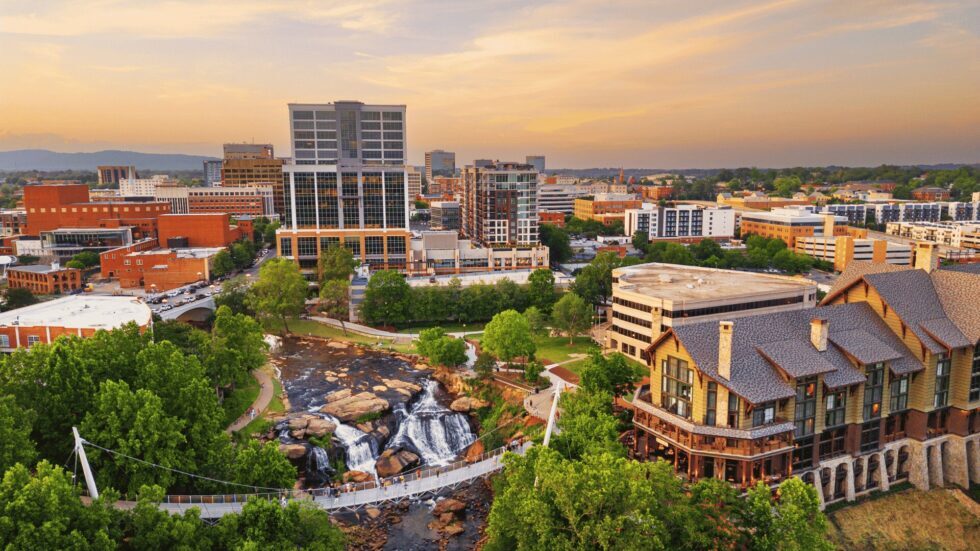
Nonprofits: Here is what you should know. Something about Greenville no longer adds up. The Upstate is now home to more than 1.4 million people, factories continue hiring, and economic indicators celebrate the region’s momentum. Yet in many neighborhoods, rents are rising faster than wages, access to basic services can take months, and opportunities that once felt attainable now seem increasingly out of reach — especially for immigrant families who sustain much of this growth.
Leer más: Emigrar con propósito: el otro lado de la decisión
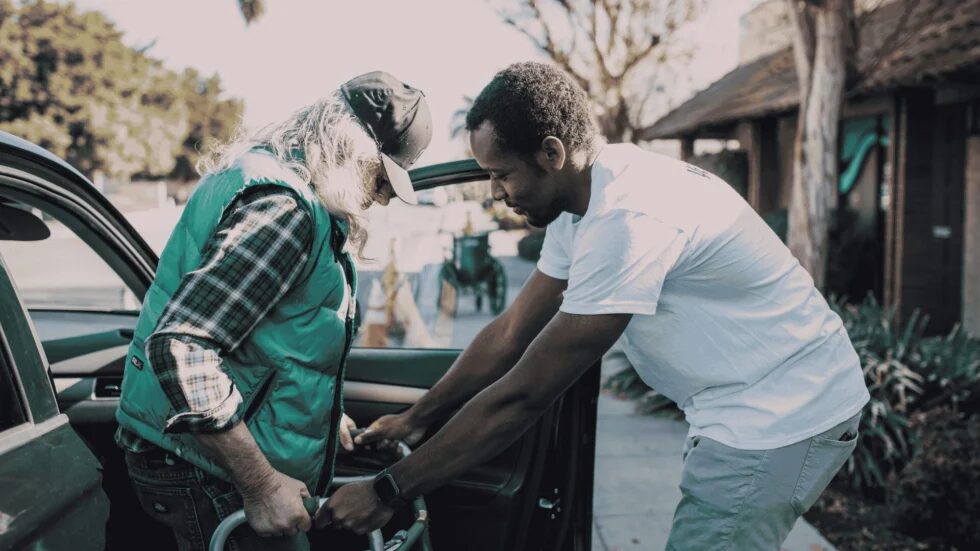
The answer is that having many organizations is not the same as having a system that works. What exists today in the Upstate is a collection of isolated efforts rather than a coordinated network. Hundreds of groups operate in parallel, often unaware that others nearby are doing the same work, competing for the same grants, the same volunteers, and the same public attention. Some deliver extraordinary results with minimal resources. Others survive year to year without being able to clearly demonstrate what difference they are making in the lives of the people they serve.
No community illustrates this contradiction more clearly than the Latino community itself — now more than 110,000 Hispanics across the Upstate’s three central counties, part of a statewide Hispanic population that grew from 351,000 to 436,000 between 2020 and 2024. They build homes, staff factories, prepare food, pay taxes, and fill public schools, yet their voice remains largely absent from the organizations that claim to serve them.
Inclusion appears prominently in institutional mission statements, but far less often in real decision-making. Latino representation on nonprofit boards remains minimal, programs are frequently designed without community input, and organizations such as the Hispanic Alliance have spent years simply trying to get major Upstate institutions to recognize their presence — in a region where the Latino community already sustains a significant share of the local economy and daily life.
Compounding the problem is another issue rarely discussed openly: most nonprofits struggle to measure their impact effectively. Not because of a lack of commitment, but because survival itself consumes nearly all available energy. Without clear performance data, attracting stable funding or persuading corporations and institutions to invest seriously becomes extremely difficult. The result is a vicious cycle in which organizations never gain the resources necessary to grow at the pace the region’s challenges demand.
Nonprofits in the Upstate
The Upstate does not need more nonprofits, it needs organizations that already exist to become stronger, more coordinated, and more capable of proving that they transform lives rather than merely managing hardship. The next phase of regional development will depend on whether the social ecosystem evolves at the same pace as the economy itself — with genuine community leadership, data-driven decision-making, and partnerships that place families ahead of institutions.
The ingredients already exist; the scale exists as well. What remains missing is the collective will to organize them effectively and that conversation must be led by the Latino community itself, because ultimately no one understands its needs better than the people living them every day.
By: Álvaro Benedetti, International Consultant.